


Tanah Merah
Art Resort
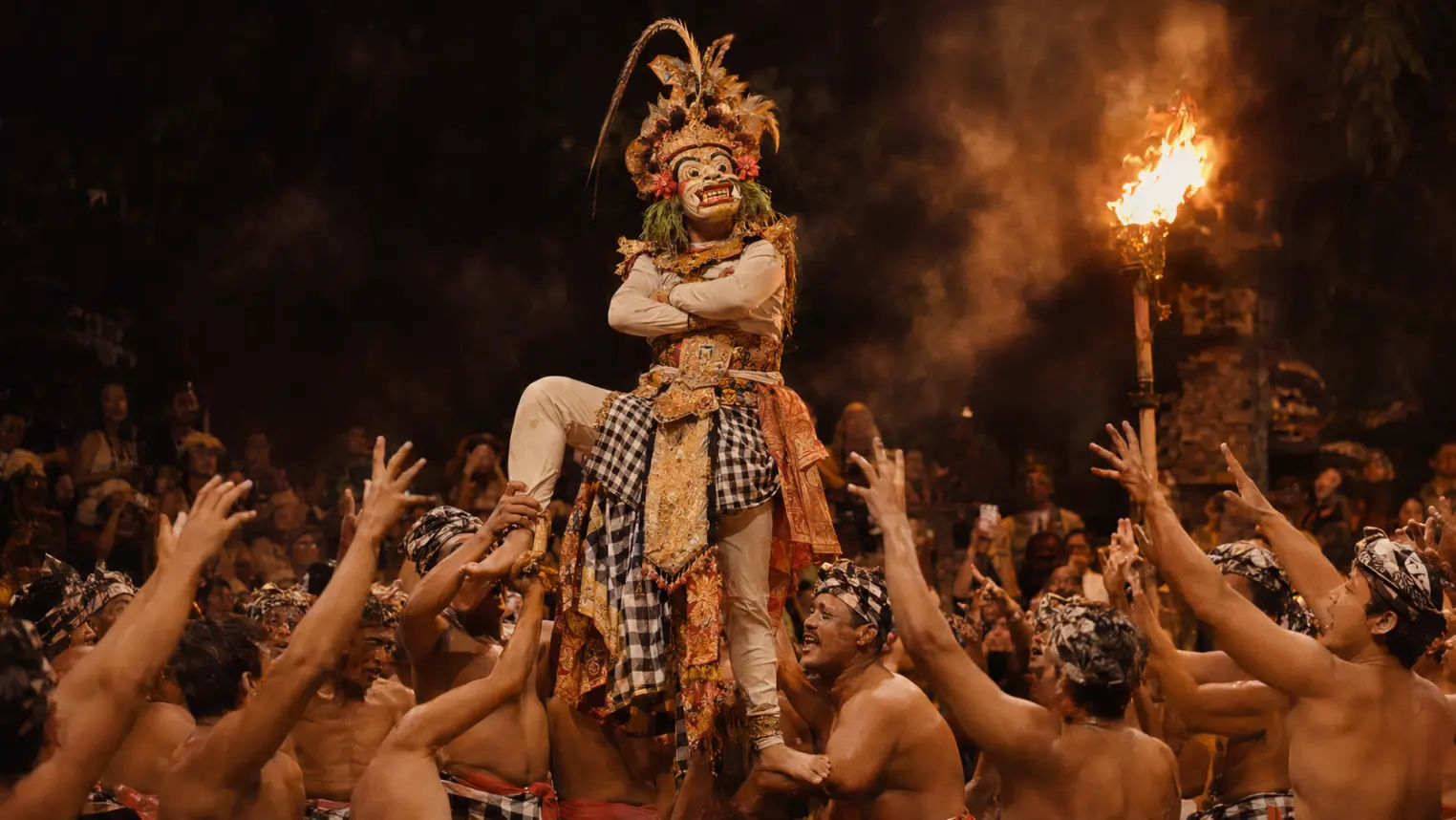
A cultural evening in Ubud brings together two Balinese experiences, Petulu's white herons at dusk and Kecak Dance, performed through rhythmic human voices. Their stories connect local memory, ritual, and the Ramayana. Understanding them, alongside Balinese Hindu wedding customs, adds meaning to what visitors see. It offers a way to understand Bali beyond its scenery alone.
Before sunset, white herons and egrets return in large numbers to roost among the trees in Petulu, a village near Ubud. Locally, the birds are often called kokokan, and their arrival has become a distinctive sight. The story residents tell gives this natural spectacle deeper cultural meaning.
Local accounts connect the birds' arrival in 1965 with a village purification ceremony held that October. Herons were seen returning in early November, and many residents came to regard them as sacred or auspicious visitors. Some oral histories associate the birds with the souls of people killed during the violence of 1965, although this is local belief and memory rather than a scientific explanation for their behaviour.
When visiting Petulu, keep a respectful distance from the roosting trees and avoid disturbing the birds. Dusk is the best time to see them return for the night. A quiet visit lets you enjoy the sight while respecting village life.
Kecak Dance is recognised by its chorus of voices repeating "cak" in interlocking rhythms. Rather than using a gamelan orchestra, a large group of men create the musical pulse with voices, gestures, and coordinated movements. Costumed performers act out the Ramayana in the centre of the circle.
The modern stage form developed in the 1930s through Balinese dancer I Wayan Limbak and German artist Walter Spies. They drew on elements associated with the older Sanghyang ritual tradition, especially its chanting chorus, and shaped them into a dramatic presentation based on the Ramayana. Kecak is connected to older Balinese ritual culture, although the familiar public dance drama is a twentieth century creation.
The story follows Prince Rama as he tries to rescue Sita from the demon king Ravana. With help from Hanuman, the white monkey hero, and his monkey army, Rama confronts Ravana. The chanting, changing formations, fire imagery, and expressive acting make the story engaging even if you do not know every character.
A traditional Balinese Hindu wedding is known as pawiwahan. It is both a celebration and a religious family ceremony marking the beginning of a household and its responsibilities. Ritual details vary between villages and families, so no single sequence applies to every couple.
Some ceremonies include Ngekeb, a period of preparation for the bride, followed by family processions and welcoming rituals. Mungkah Lawang may symbolise the opening of the bride's room, while Mesegehagung is a welcoming offering. Mekala-kalaan, also called Mabyakala or Madengen-dengen in some contexts, is a purification ritual intended to prepare the couple for married life.
During Mekala-kalaan, symbolic objects such as a small mat, white thread, and offerings may be used. Their meanings relate to purification, shared responsibility, and the intention to build a harmonious household. Mewidhi Widana may involve prayers at the family shrine, while Mejauman is traditionally a visit to pay respects and bid farewell to the bride's family and ancestors.
For visitors, a Balinese wedding is not a themed performance but a religious occasion. Guests should dress modestly, follow the family's guidance, and ask before taking photographs. Each offering, prayer, and procession has a place within community beliefs.
Tanah Merah Art Resort connects these cultural stories with its setting near Ubud. Its White Herons and Kecak Dance outing begins before sunset with a visit to Petulu, followed by an evening Kecak performance in Ubud. Guests then return for a late dinner at Gardenia Restaurant, linking village life, performing arts, and Balinese dining.
The resort also offers wedding arrangements in its tropical setting, including marriage rituals, vow renewals, and commitment ceremonies. Couples interested in a Balinese Hindu pawiwahan should discuss details with the resort, both families, and local religious and customary leaders. This helps the ceremony reflect their wishes while respecting community traditions.
Petulu's herons, the voices of Kecak, and Balinese wedding rituals each tell part of the island's cultural story. Together, they show how nature, performance, faith, and family remain connected in Bali. To plan an evening around the birds and dance, visit Tanah Merah's White Herons and Kecak Dance experience. Couples can also read about weddings at Tanah Merah Art Resort.
